








If you’re parenting a baby, toddler, or preschooler, you’ve probably felt it — that quiet awareness that these early years feel incredibly important.
You may find yourself wondering:
Is this the right environment?
Are they learning in ways that truly matter?
How do I know they’re being supported the way they need?
The first five years of life are extraordinary — not because children need to be rushed ahead, but because this is when their brains, bodies, and sense of self are developing at an unmatched pace.
By age five, nearly 90% of brain development has already occurred. Millions of neural connections are formed through everyday experiences — being held, responded to, spoken to, encouraged to explore, and guided through big emotions.
High-quality early education doesn’t push childhood forward. It strengthens what’s already unfolding in ways that are intentional and meaningful.
It Begins with Relationships
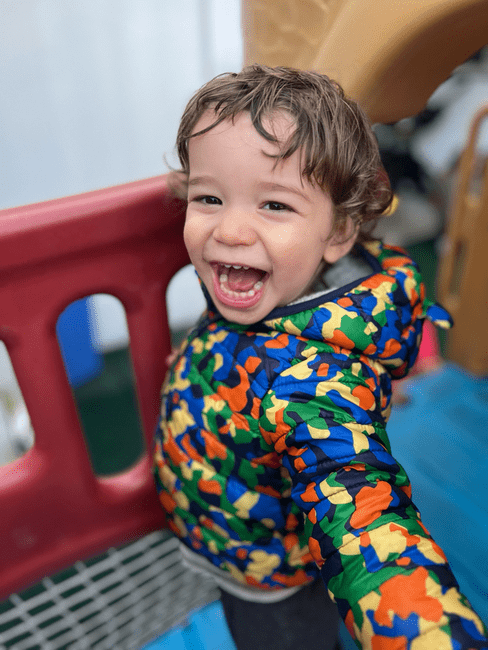 In infancy, learning starts with connection.
When a caregiver responds quickly to a baby’s cry, meets their gaze, and speaks gently, trust begins to form. When a toddler is supported through frustration instead of hurried past it, emotional regulation begins to grow. When a preschooler is encouraged to try again after something doesn’t work, resilience takes root.
Research consistently shows that strong, responsive relationships are the foundation of healthy brain development. In the first five years, relationships are not separate from curriculum — they are the curriculum.
Children learn best when they feel safe, seen, and understood.
Play Is How Young Children Learn
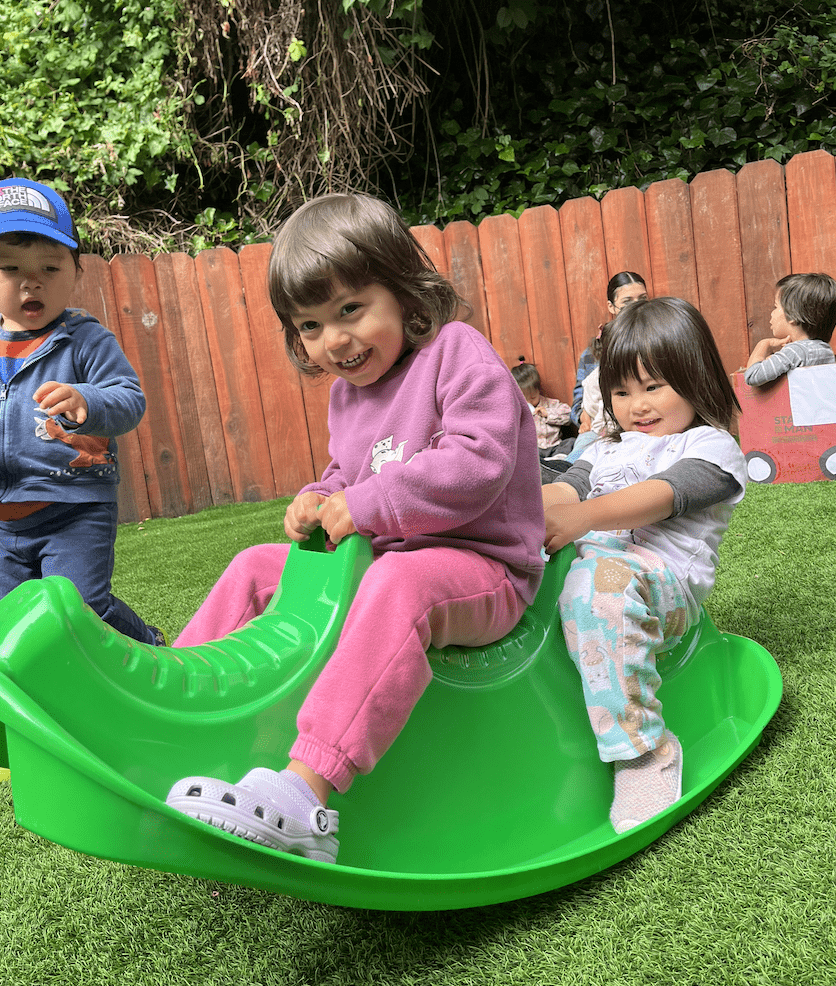 To adults, play can look simple. To children, it is powerful work.
An infant dropping a toy is discovering cause and effect.
A toddler stacking blocks is developing coordination and persistence.
A preschooler building a pretend restaurant is practicing math, language, negotiation, and creativity all at once.
Play-based learning supports executive functioning — focus, flexibility, memory, and self-control — skills that research now shows are strong predictors of long-term academic and life success. Quality early education protects time for play because curiosity is not a distraction from learning — it is the doorway to it.
Social-Emotional Development Comes First
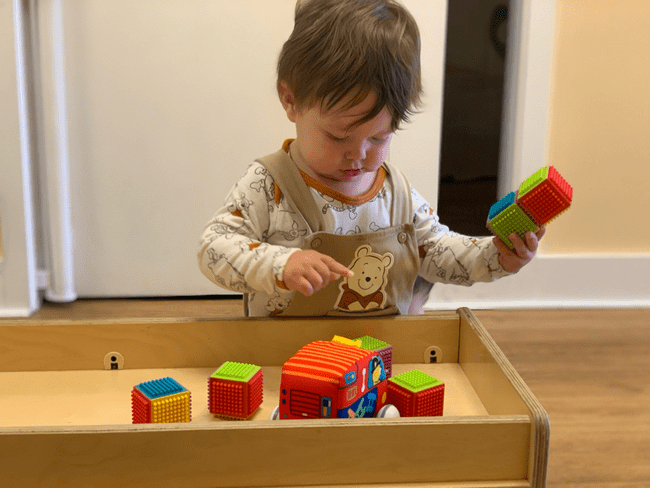 Before academic milestones matter, emotional foundations matter more.
Infants learn trust.
Toddlers begin to manage big feelings.
Preschoolers practice empathy, problem-solving, and independence.
When children are supported consistently and respectfully, they internalize calm. They learn that frustration is manageable. They develop the confidence to try new things.
Confidence in early childhood doesn’t come from being advanced. It comes from feeling capable — and those early moments of encouragement become deeply meaningful building blocks for the future.
Language, Movement, and Exploration
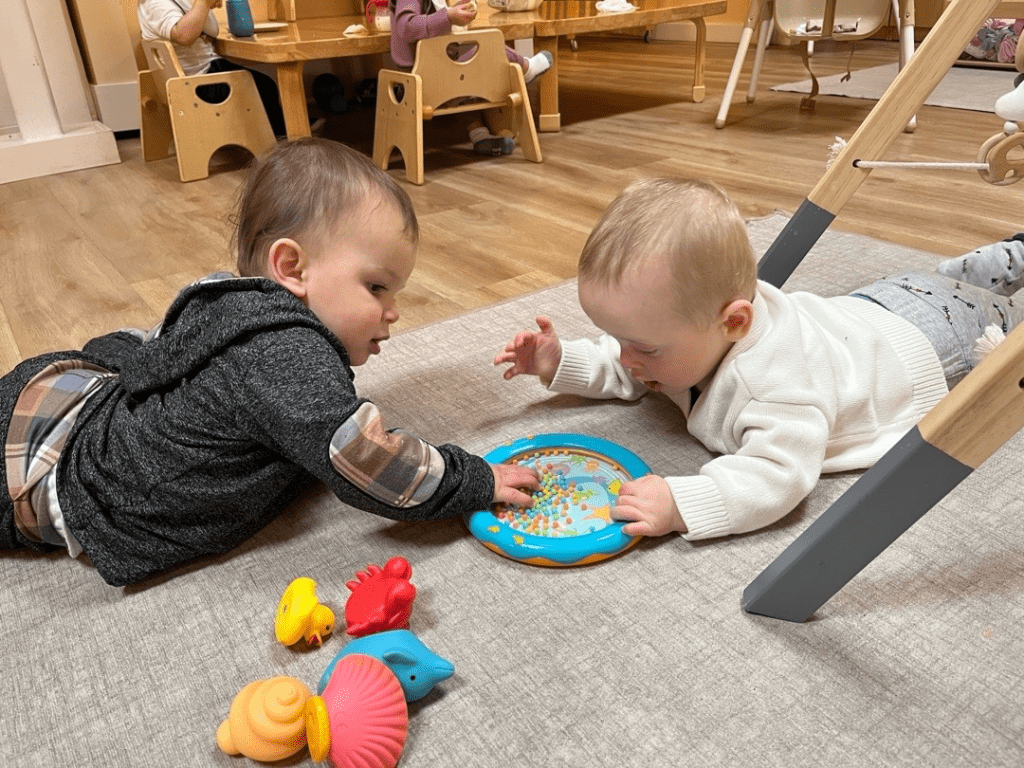 Language development begins at birth. Babies absorb tone, rhythm, and interaction long before they speak their first words. Toddlers thrive in environments rich with conversation. Preschoolers expand their thinking through storytelling and discussion.
At the same time, young children learn through movement.
Rolling, climbing, balancing, pouring, painting — these experiences build neural pathways just as powerfully as conversation and books.
High-quality programs intentionally design environments where language, movement, and exploration are woven together. Learning feels natural, engaging, and developmentally appropriate.
Preparing for School — Without Rushing It
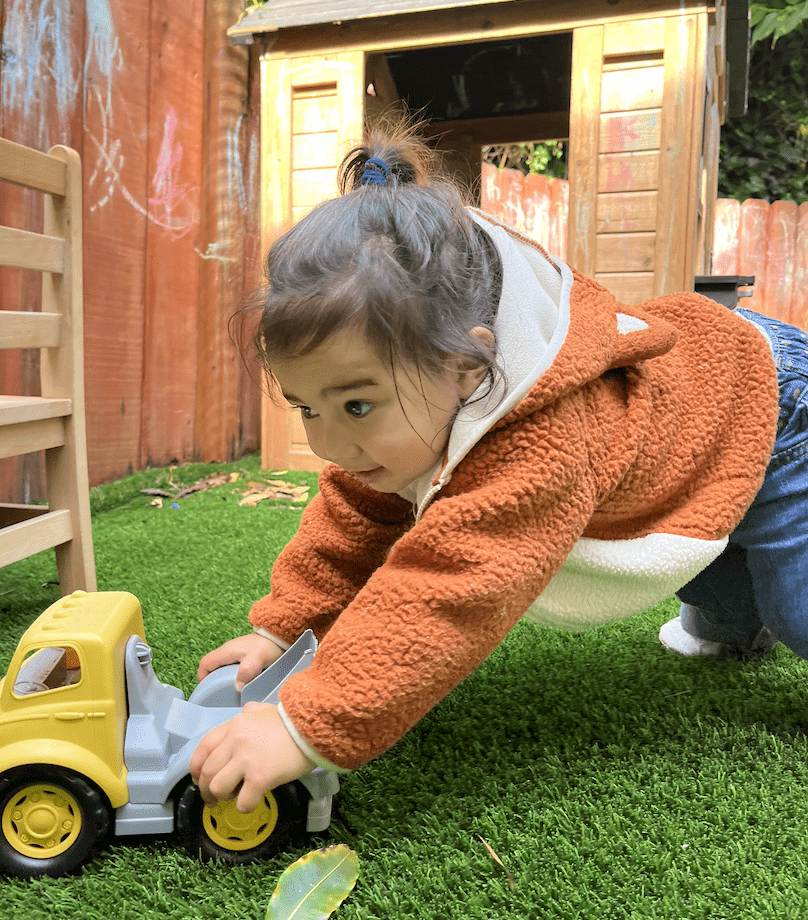 It’s natural to think ahead. Kindergarten feels closer than we expect.
Children who experience thoughtful early education often transition more smoothly into later schooling. They understand routines. They feel comfortable in group settings. They know how to express needs and work through challenges.
But readiness isn’t about early worksheets or pressure. It’s about curiosity, resilience, communication, and a positive relationship with learning.
When those foundations are built in infancy, strengthened in toddlerhood, and nurtured through preschool, children move forward with confidence.
What Quality Feels Like
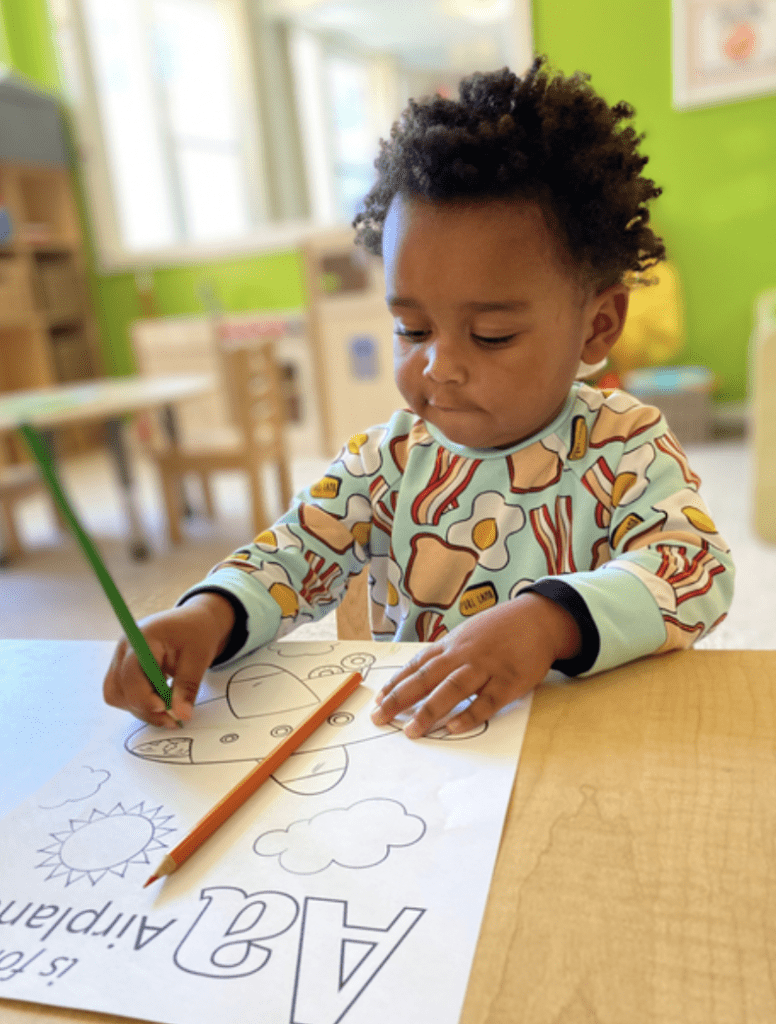 For families exploring infant, toddler, and preschool programs, quality often feels less about flash and more about warmth.
Do caregivers get down on the floor?
Do children appear relaxed and engaged?
Is there space for independence and exploration?
Does the environment feel calm and intentional?
Strong early childhood programs are grounded in developmental research — but what parents often notice first is how the space feels.
Steady.
Responsive.
Supportive.
The Heart of the First Five Years
The early years are not about doing more. They are about doing what matters most.
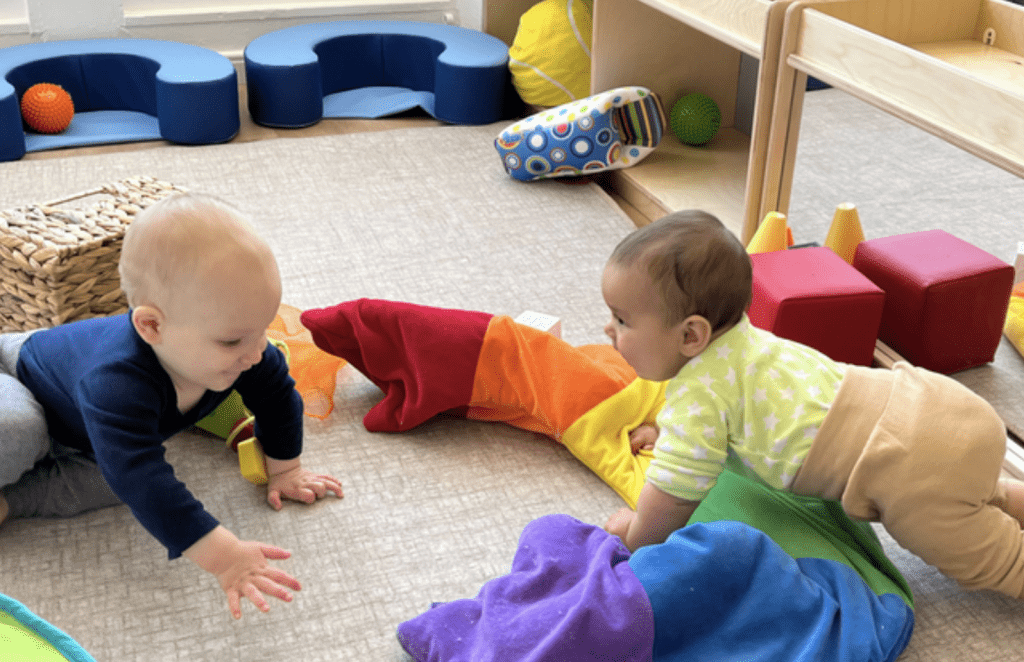 When children are surrounded by responsive adults, rich language, meaningful play, and thoughtful structure, they build the confidence and resilience that will carry them through every stage of life.
These first five years are a once-in-a-lifetime season of growth.
Over the years, we’ve seen how deeply families value environments that prioritize relationships, developmental expertise, and intentional care. That commitment to leading with research-informed practices and heart-centered education has shaped everything we do. It’s also reflected in the trust families share within our community — including the 56 positive Yelp reviews from parents who have experienced these early years alongside us.
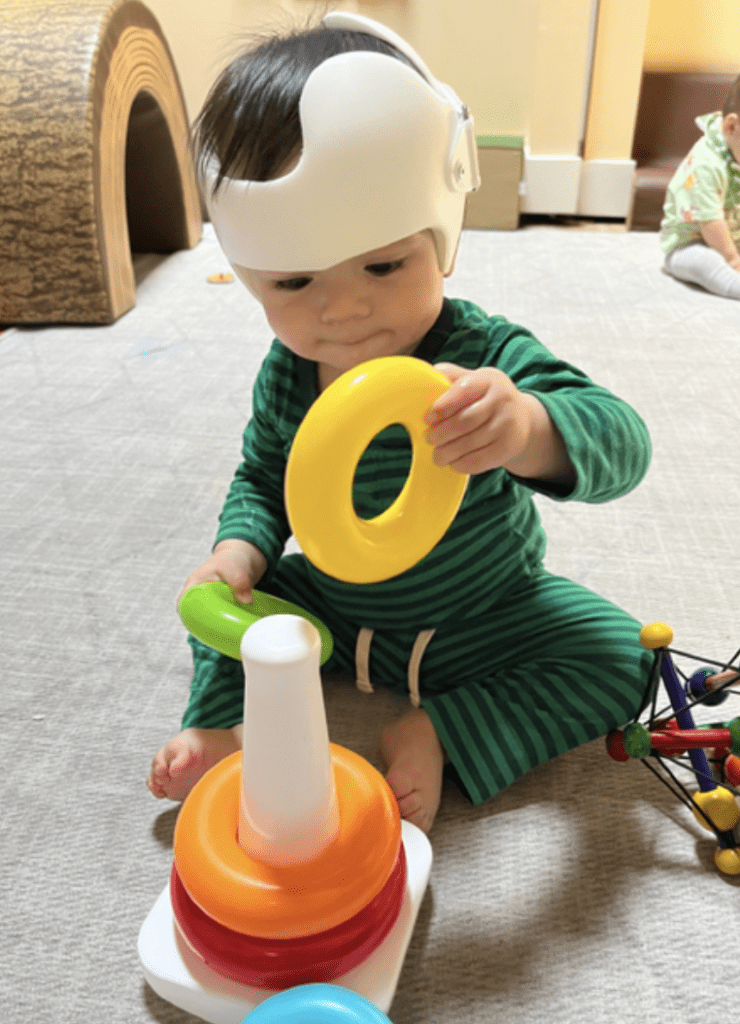 If you’re looking for an environment that approaches infancy through preschool with warmth, depth, and true early childhood leadership, we encourage you to visit, observe, and ask questions. Notice how caregivers interact. Notice how children respond. Notice how the space feels.
At Meaningful Beginnings, we believe these first five years deserve thoughtful guidance and genuine partnership with families. We invite you to schedule a tour, meet our educators, and experience the environment firsthand.
The right setting won’t just check boxes — it will feel aligned.
And when it feels aligned, that’s when a meaningful beginning truly begins.
___________________________________________________________________
 Luisa Baj is the Director of Operations at Meaningful Beginnings and holds dual Master’s degrees in Early Childhood Education and Early Childhood Special Education. She is passionate about creating thoughtful early learning environments where infants, toddlers, and preschoolers can grow with confidence and curiosity while families feel connected within a supportive community — because the earliest years deserve a truly meaningful beginning.