









“Mommy, is it hard being my mom?”
My son asked me this on a quiet afternoon, his voice soft and searching.
“Mommy, is it hard being my mom?”
It was the kind of question that stops you — not because you don’t know the answer, but because the truth is layered in ways a child his age should not be grappling with.
Anaphylactic allergies are an invisible disability.
The weight of protecting a child with an invisible disability is an invisible burden too.
Most people never see it.
They see a bright, happy boy walking into school with his backpack.
They see him laughing with friends at recess.
They see him eating the safe lunch I packed and assume everything is straightforward.
They don’t see the nights I lie awake replaying every detail of his day.
They don’t see the fear that rises when the school calls unexpectedly.
They don’t see the blood pressure rising within me as one hive turns into clusters.
They don’t see the way my heart drops when he says his throat feels “funny.”
They don’t see his anxiety when he can’t see his epinephrine nearby.
They don’t see the safety protocols and emergency medication as a lifeline.
They didn’t see the moment his body betrayed him —
when breathing became work,
when hives spread across his skin like wildfire,
when one dose of epinephrine wasn’t enough,
when two doses weren’t enough,
when three doses still weren’t enough,
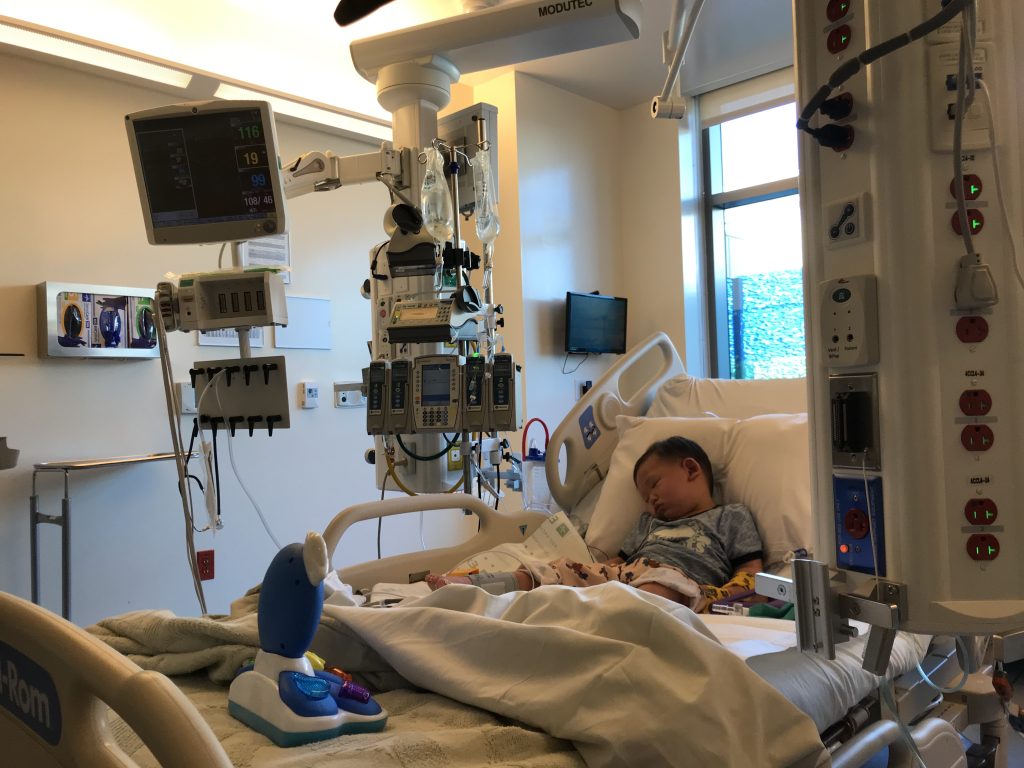
and we were racing to the hospital in an ambulance.
I saw it.
I lived it.
I carry it.
And yet, even with all that, schools and districts often treat his allergy like a minor detail — something to “be mindful of”, not something that could take his life in a matter of seconds.
I’ve been met with hesitation, with pushback, with policies and even guidelines that move slowly while my son’s risk moves quickly.
I’ve been banned from monitoring my son during recess and lunch.
I’ve been told that changes to his health plan protocols do not need to be communicated to me.
I’ve heard, “We’ve never had an issue before.”
I’ve heard, “He can get help himself when he needs it.”
I’ve heard, “He looks fine.”
I’ve heard, “We’ll try our best,” when “trying” is not enough.
Your institution may have a reputation to protect.
I have a child’s life to protect.
That is the difference.
That is the gap allergy parents live inside every single day.
We aren’t asking for special treatment.
We’re asking for safety — the same safety every other child receives without question.
We aren’t asking for perfection.
We’re asking for procedures that work, staff who understand, and systems that don’t rely on luck.
We aren’t asking for fear.
We’re asking for awareness — because awareness saves lives.
So yes — I read every label.
I ask every question.
I pack safe foods everywhere he goes.
I double‑check, triple‑check, and check again.
I worry about cross‑contact in places others don’t even notice.
I plan for emergencies I pray never happen.
Not because it’s hard being his mom.
But because it’s precious being his mom.
So when he asked me, “Mommy, is it hard being my mom?”
I held his face and told him the truth —
the truth he deserves:
“It’s not hard being your mom.
It’s hard being your mom in a world that doesn’t always understand how to keep you safe.
But loving you? Protecting you?
That part is the easiest thing I’ve ever done.”
His allergies may be invisible, but the responsibility schools share in keeping him safe is not.
And if that makes me “too cautious”, then so be it.
I call it motherhood.