








“I don’t have time to be sick.”
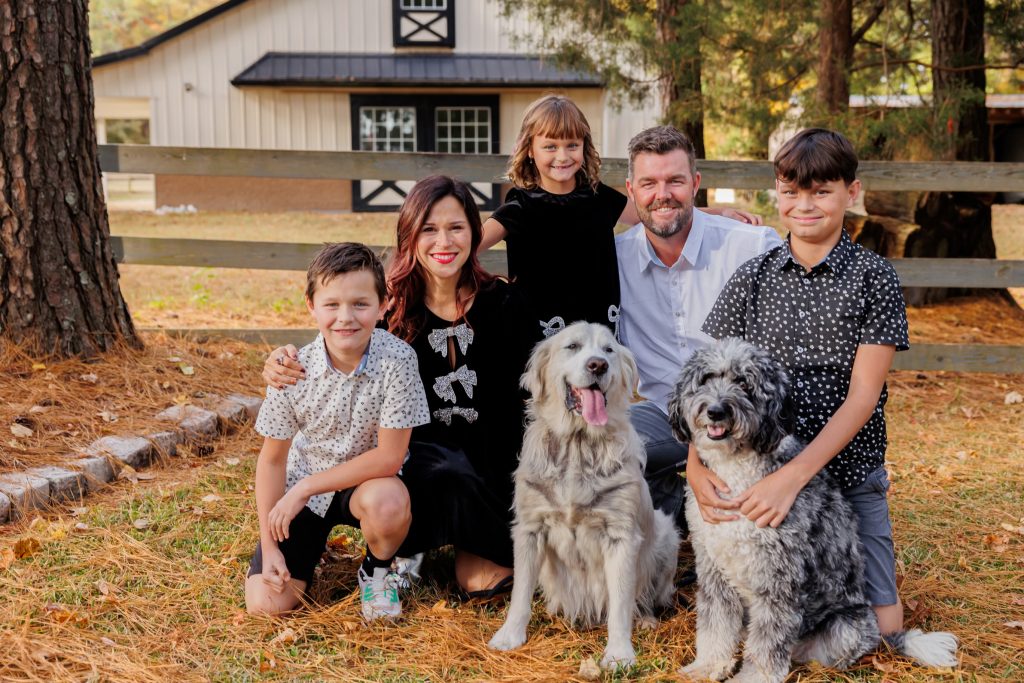
That was the thought that kept running through my head. My husband, Marc, was going out of town, and my two boys needed me healthy. Harvey had just turned three. Ollie was 19 months old. We had two dogs and two cats. I was the ringmaster of our beautifully wild little circus. So when I thought I had the flu, my plan was to take some medicine and tough it out. That’s what moms do.
Two days later, I could no longer deny how sick I felt. I started to become short of breath. My nose bled anytime I moved. I had severe joint pain in my right elbow and left big toe. I told my best friend how poorly I was doing. “If you’re not feeling better in a few hours, I’m coming to get you,” she said. I finally relented.
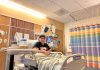
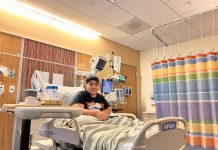
The urgent care nurse took my vitals, pushed her chair away from me, and put on a mask. “You are very sick.” Heartrate in the 130s. A 102-degree fever. Low blood pressure. An ambulance took me to the ER. Specialists breezed through my room, and I suspected they truly didn’t know what was wrong with me.
What they eventually found had a name most people don’t think about until it is too late: sepsis.
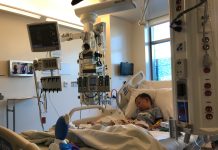
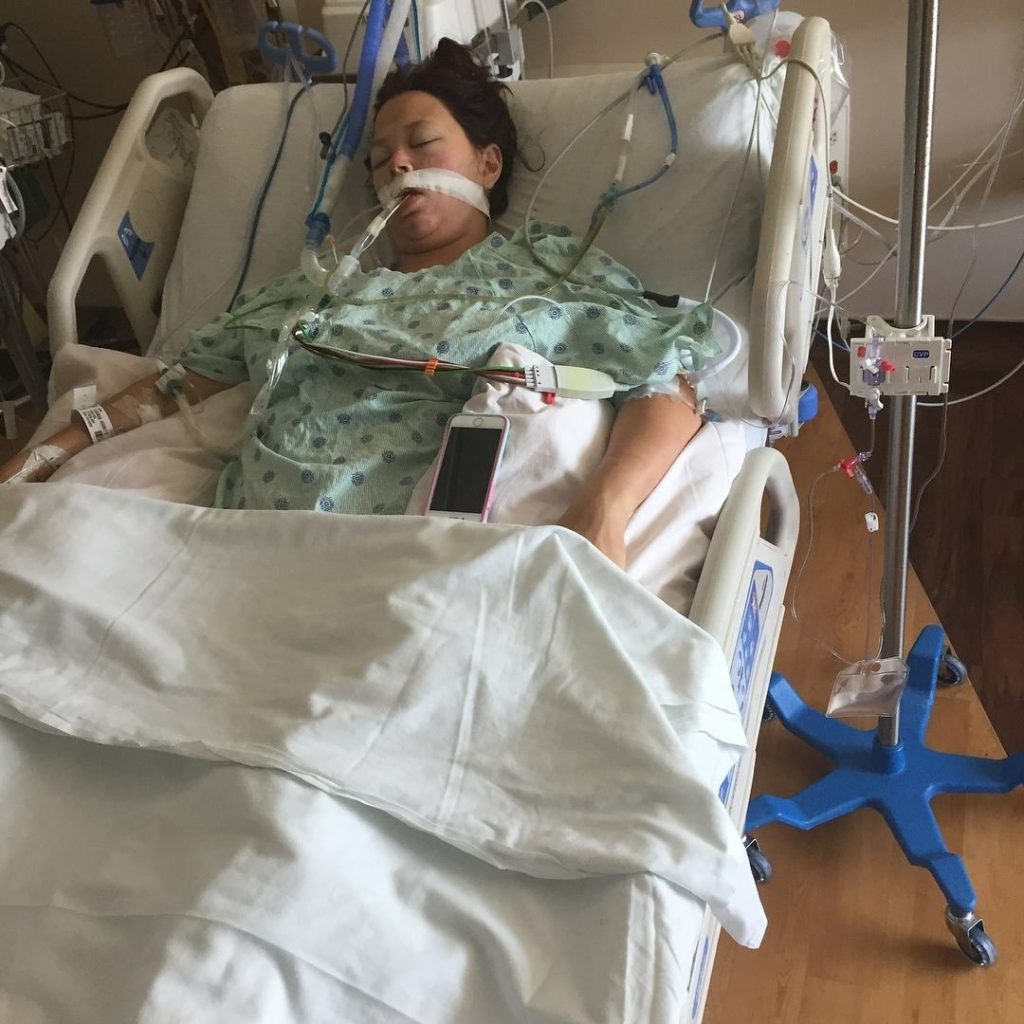
They moved me to the ICU. It was becoming hard to breathe. At 4 am, a doctor told me they needed to put me into a medically-induced coma so my lungs could rest. My boys woke up around 7 am. I begged for three more hours, just to talk to them one more time. The deepest part of me understood that I might not wake up. There was no time. Marc signed the forms. Then the world went black.
I woke up five days later. One whole week since I had seen my boys, and I couldn’t walk. Coming home was its own long recovery, but that is a story for another day.
Here is the part I need every parent to hear.
Sepsis is the body’s extreme response to an infection. Instead of fighting the infection, the body starts attacking its own tissue and organs. It can turn deadly within hours, and the early symptoms are easy to mistake for the flu, a bad cold, or a stomach bug. I dismissed mine. More than 1.7 million Americans develop sepsis every year, and most have no idea what it is until they are in the middle of it. More children die from sepsis than from pediatric cancer.
The reason it gets missed is that no single symptom screams emergency. It is the combination, and the speed, that matter. At our foundation we teach the warning signs using the word itself:
Know the signs of sepsis:
- Shivering fever or very cold
- Extreme pain or discomfort
- Pale or discolored skin
- Sleepy or difficult to wake
- “I feel like I might die”
- Shortness of breath
In children, these signs can move fast and look different.
Watch for a baby or child who is breathing rapidly, looks pale, blue, or mottled, is unusually sleepy or hard to rouse, has far fewer wet diapers than normal, or simply is not acting like themselves. Trust that instinct. If your gut says something is seriously wrong, it often is.
The single most important thing you can do is ask the question out loud. If you or your child has an infection and these signs appear, say to a medical professional: “Could this be sepsis?” Those four words make a doctor stop and consider it, and with sepsis, every hour counts.
I share my story because the only thing worse than what I went through would be watching one of my children go through it. That is why Marc and I founded the Begin Again Foundation, to support sepsis awareness, education, and survivors finding their way back. It is also why I wrote a children’s book, Katie Koala’s Biggest Fight, to put this knowledge in families’ hands early, before it is too late.
I didn’t think I had time to be sick. The truth is, none of us do. But knowing what to look for could save your child’s life, or your own.
Learn more at beginagainfoundation.com.
___________________________________________________________________________
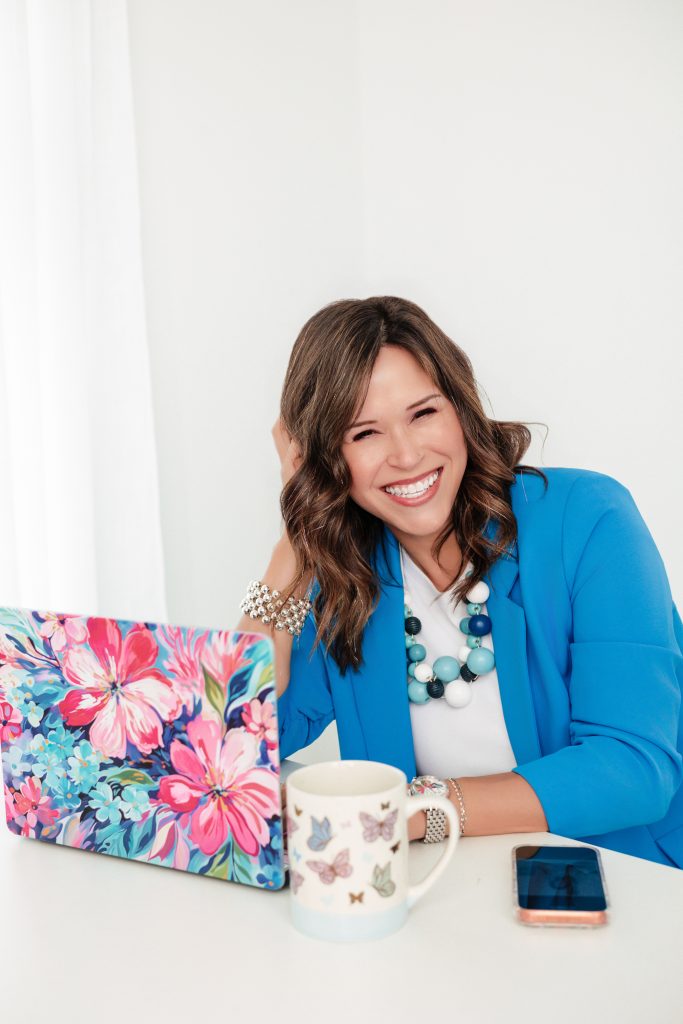 Audrey Leishman is a sepsis survivor, devoted mother, and passionate advocate for health education and early detection. After nearly losing her life in 2015, she and her husband, Marc, founded the Begin Again Foundation. The foundation provides emergency financial assistance to families affected by sepsis, toxic shock syndrome, and acute respiratory distress syndrome. Audrey lives in Virginia Beach with Marc, a professional golfer, and their three children: Harvey, Ollie, and Eva. Katie Koala’s Biggest Fight is her debut children’s book, written to inspire courage and awareness in young readers and their families.
About Begin Again Foundation
Professional golfer Marc Leishman and his wife Audrey formed the Begin Again Foundation in 2015 after Audrey’s near-death experience from sepsis, acute respiratory distress syndrome and toxic shock syndrome. The foundation’s mission is to save lives and support survivors. We provide financial assistance to survivors of sepsis and their families, educate communities about the signs and symptoms of sepsis and toxic shock syndrome and support children and women in need. Learn more at beginagainfoundation.com.