












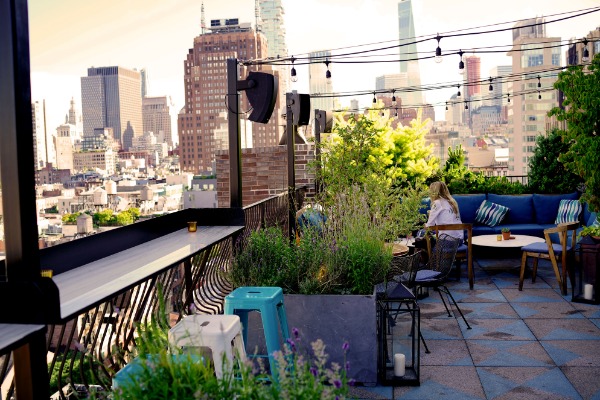
A rooftop terrace can feel like a little escape from the bustle of everyday life, especially in the San Francisco Bay Area, where outdoor space often comes at a premium. Picture enjoying your morning coffee above the neighborhood or inviting friends over for an afternoon while the kids play nearby.
Of course, a beautiful view can only do so much. The best tips for designing a rooftop gathering space focus on creating somewhere your family genuinely wants to spend time. With a little creativity and thoughtful planning, your rooftop can become a comfortable extension of your home.
1. Plan Around How Your Family Spends Time
Before falling for a gorgeous outdoor sofa, decide how you’ll use your rooftop: weekend breakfasts, family movie nights, or entertaining.
Let your priorities shape the layout. Families with young children may want open space for supervised activities; hosts may prefer a dining table with comfortable seating. Measure the area, sketch furniture layouts, and leave clear paths between seating and access points.
Before making changes, ask a qualified professional about the roof’s structural capacity and building requirements. Rooftop terraces differ from ground-level patios, especially when adding heavy furniture or permanent features.
2. Choose Furniture That Makes Everyone Comfortable
Nobody wants to spend an afternoon balancing on an uncomfortable chair, no matter how spectacular the view.
Look for outdoor furniture that suits your family’s habits. A compact sectional can create a cozy conversation area, while stackable chairs make it easier to accommodate occasional guests.
If you have younger children, rounded furniture edges and wipeable surfaces can make everyday life less stressful. Removable cushion covers also come in handy after an enthusiastic snack session.
Bay Area weather deserves consideration when choosing materials. Coastal moisture can affect certain finishes, and strong sunlight can fade fabrics over time. Choose furniture designed for outdoor exposure, and consider how easily you can store cushions when the weather changes.
3. Make Rooftop Safety a Priority
When children use a rooftop terrace, safety should influence the layout from the beginning.
Start by having a qualified professional assess the existing guardrails and access points. Local building codes establish requirements for protective barriers, and rooftop installations may require permits.
Keep climbable furniture and large planters away from edges. You’ll also want clear walking paths, especially near stairs or doors.
Once you’ve addressed protective barriers, consider how the surrounding design affects comfort. Rooftops can feel exposed, particularly when neighboring buildings overlook the space.
Architectural screening can help create a more sheltered atmosphere. For instance, metal mesh screens can make transitional spaces more comfortable by filtering sunlight while allowing air to circulate. Decorative screens should complement, not replace, properly designed safety barriers.
4. Prepare for the Bay Area’s Unpredictable Weather
Anyone who’s spent an afternoon in San Francisco knows that sunshine doesn’t always mean warmth. A pleasant morning can give way to chilly breezes, especially near the coast. Meanwhile, families in San Jose or Walnut Creek may encounter much warmer afternoon temperatures.
Consider your rooftop’s particular microclimate before investing in permanent features. A few flexible additions can make outdoor time more comfortable:
- Adjustable shade: A properly secured outdoor umbrella can provide relief when afternoon sunshine becomes intense.
- Cozy accessories: Washable outdoor blankets make cooler evenings more inviting.
- Wind protection: Professionally installed screens can help shelter seating areas from persistent breezes.
- Convenient storage: A weather-resistant cabinet keeps smaller accessories close without cluttering the terrace.
Pay attention to how sunlight moves across the rooftop throughout the day. You may find that the most comfortable seating location changes between morning and evening.
5. Bring a Little Greenery Above the City
You don’t need a sprawling backyard to enjoy a beautiful garden. Container plants can give your rooftop a softer, more inviting appearance while adding a welcome touch of nature.
Start with varieties that suit your terrace’s exposure. Rosemary may thrive in a sunny location, while other plants benefit from shelter against strong afternoon winds.
For a playful family touch, consider growing a few herbs that children can help water. Watching plants develop throughout the season can become a simple activity everyone enjoys.
Choose containers carefully, since soil and water add considerable weight. Ask a qualified professional about appropriate loads before installing large planters.
You’ll also want to protect drainage outlets and avoid placing containers where they obstruct walking paths.
A few thoughtfully arranged plants can make the terrace feel lush without leaving you with another demanding weekend chore.
6. Use Lighting to Make Evenings More Inviting
Your rooftop can stay welcoming after sunset with thoughtful lighting.
Hang outdoor-rated string lights above seating if suitable mounting points are available, or use portable lanterns for flexibility. Choose warm light for conversation and brighter illumination near stairs or level changes.
Consult a qualified electrician about permanent outdoor fixtures. Evening lighting can also make family dinners feel special, especially with a neighborhood view.
7. Give the Terrace Some Family Personality
A rooftop should feel like part of your home, even if its design differs from your indoor living spaces.
Outdoor rugs can help define a seating area, while colorful cushions add character without requiring major changes. Choose patterns that complement your furniture and suit your family’s style.
Consider leaving room for activities everyone enjoys. A small table might double as a spot for afternoon crafts, while a comfortable chair could become your favorite weekend reading corner.
Resist the temptation to fill every space with decorations. A little breathing room makes the terrace easier to navigate and gives you flexibility when guests visit.
Your family’s interests will change over time, and a flexible design can grow alongside them.
8. Keep Everyday Maintenance Manageable
A rooftop terrace should make family life more enjoyable, not add another lengthy cleaning routine to your weekends.
Choose surfaces that clean easily, and consider where you’ll store accessories between gatherings. A small storage bench can keep cushions nearby while offering extra seating when friends visit.
Consider how you’ll carry food and drinks onto the terrace, too. Convenient access can make spontaneous outdoor meals much easier.
When you’re following tips for designing a rooftop gathering space, these everyday details deserve as much attention as the decorative features.
A terrace that fits your routine will likely get far more use than one that requires extensive prep.
Make Your Rooftop a Favorite Family Retreat
A welcoming rooftop terrace gives your family another place to enjoy the beautiful Bay Area. You might spend Saturday mornings sharing breakfast outside or invite neighbors over for a relaxed evening under the stars.
The most memorable outdoor spaces grow from the little moments that happen there. With comfortable furnishings and a layout that suits your family, your rooftop can become a lovely place to make those memories together.