









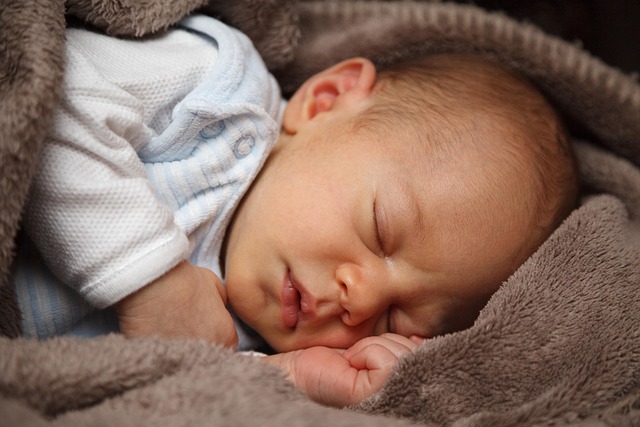
 Newborns spend almost every waking and sleeping moment pressed against fabric. Their skin is thinner than an adult’s, absorbs far more of what it contacts, and irritates without much provocation. What are the top benefits of organic cotton for babies? Simply put, it eliminates a long list of risks that conventional cotton carries along with it.
Here are seven reasons parents make the switch to organic cotton – and rarely look back.
Gentler on Sensitive Baby Skin
Baby skin doesn’t behave like adult skin. It absorbs substances through the surface far more readily, which means the fibers, dyes, and finishes in a garment matter in ways they simply don’t for a grown-up. Parents who look for organic cotton clothes for kids are often responding to a pattern of rashes, redness, or unexplained fussiness that clears up once synthetic or chemically treated fabrics leave the rotation.
Organic cotton fibers are longer and softer than those grown conventionally, because they don’t undergo the same aggressive processing. That produces a fabric that stays soft through repeated washing rather than growing stiff over time. For babies wearing the same onesie or sleepsuit several days running, that lasting softness genuinely matters. Flat seams, smooth weaves, and tag-free construction are standard in organic cotton garments precisely because they’re made for skin that can’t handle friction.
No Toxic Chemical Exposure
Conventional cotton ranks among the most chemically intensive crops on earth. Pesticides and synthetic fertilizers used during cultivation can leave trace residues in finished fabric. On top of that, many conventional garments get treated with formaldehyde-based wrinkle-resistant finishes, chlorine bleaches, and azo dyes that break down into compounds tied to skin sensitization.
Organic cotton skips these inputs. GOTS-certified organic cotton must meet strict standards throughout the entire production chain – from the farm to the finished garment – which rules out the most problematic chemical classes. For a newborn whose detoxification systems are still immature, that reduction in chemical load is meaningful. You’re not just choosing a softer fabric; you’re choosing one with a shorter list of what’s in it.
Better Temperature Regulation
Babies can’t regulate their own body temperature the way older children and adults can. They overheat faster, and they shed heat faster too. Organic cotton’s natural breathability helps manage both sides of that problem. Its fiber structure lets air move through the weave, preventing the trapped heat and moisture that synthetic blends tend to produce.
But it also delivers a light insulating layer when temperatures drop. That dual function – cooling when warm, insulating when cool – is why cotton has clothed infants for generations. What sets organic cotton apart is that it preserves this breathability without the chemical finishes that can partially seal the fiber and cut airflow. Wool and linen have their place, but for all-day infant wear, organic cotton strikes the right balance.
Built to Last Through Washes and Wears
Parents wash baby clothes constantly. Spit-up, blowouts, and food all accumulate fast, and a garment that falls apart after a dozen washes is a waste of money. Organic cotton tends to hold up better over repeated laundering than conventionally grown cotton, partly because the fibers weren’t weakened by heavy chemical processing during production.
So there’s a second benefit sitting alongside the skin-safety argument: better value per wear. A well-made organic cotton bodysuit can survive hand-me-down use across two or three children with proper care. That durability makes the slightly higher upfront cost easier to justify. And since baby clothing gets outgrown fast, pieces durable enough to pass to a sibling or donate to another family represent a genuinely smart use of the spend.
Safer Sleep for Newborns
Newborns sleep between 14 and 17 hours a day, according to the American Academy of Pediatrics. Whatever they’re wearing to bed is therefore in contact with their skin for the majority of their day. Conventional sleepwear is sometimes treated with flame-retardant chemicals to meet flammability standards, and certain older formulations of those treatments raised concerns among pediatric health researchers.
Organic cotton sleepwear cut in a snug-fitting style meets flammability requirements through fit rather than chemical treatment, which is exactly the option the Consumer Product Safety Commission and pediatricians recommend. It’s a cleaner route to the same safety outcome. For parents wanting to reduce their newborn’s overnight chemical exposure without sacrificing safety standards, organic cotton fitted sleepwear is the clear choice.
A Smaller Environmental Footprint
Conventional cotton farming uses roughly 10% of the world’s agricultural pesticides, according to the World Wildlife Fund, despite covering only 2.5% of cultivated land. Organic cotton farming bans synthetic pesticides and fertilizers, uses significantly less water in many production systems, and builds healthier soil over time.
And this connects back to your baby. Healthier soil produces fewer chemical runoffs into local water supplies. Farming communities near organic operations face lower occupational pesticide exposure. The environmental and the personal health arguments aren’t separate tracks – they point in the same direction. Choosing organic cotton for a newborn is a small but direct way to support a production system that’s less damaging to the people who grow and process the fiber.
Supports Fair and Ethical Production
GOTS certification – the standard most parents encounter when shopping for organic baby clothing – covers labor conditions alongside environmental criteria. Certified garments come from factories that meet requirements for safe working conditions, fair wages, and no child labor. It’s not a perfect system, but it sets a meaningful floor.
Conventional supply chains don’t carry that same requirement. Fast-fashion baby clothing can be produced at very low cost precisely because labor and environmental standards are minimal. For parents who want to know that the person who sewed their baby’s first onesie worked in a safe building for fair pay, certification is currently the most accessible verification available.
The top benefits of organic cotton for babies come down to three things: fewer harmful inputs touching new skin. This fabric holds up better over time, and a supply chain with documented accountability. None of those advantages require any trade-off on softness or durability. If anything, organic cotton outperforms conventional alternatives in both. The switch isn’t complicated, and the case for it only gets stronger the more hours a baby spends in their clothes.