











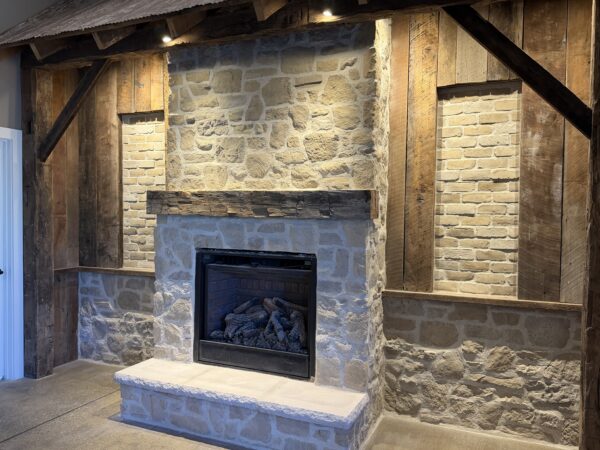
A home’s exterior creates the first impression for visitors, neighbors, and potential buyers. While landscaping, paint colors, and architectural details all contribute to its appearance, the materials used on exterior walls can make an equally important difference. Cultured stone is an option for homeowners who want the look of natural stone without full-depth stone masonry.
Available in different colors, shapes, and textures, cultured stone can add depth and visual interest to an exterior. It can be used around entrances, on porch columns, along lower walls, or as an accent on larger architectural features. When the style and placement complement the property, it can help create a more attractive and coordinated appearance.
What Is Cultured Stone?
Cultured stone is a type of manufactured stone veneer made to resemble natural stone. It is commonly produced using cement-based materials, aggregates, and pigments, with molds that reproduce the shapes and textures of natural stone surfaces.
A wide range of manufactured stone products for building exteriors is available in different profiles, colors, and textures to complement various architectural styles. These materials can be used to highlight entrances, accent exterior walls, or add character to porch columns without the bulk of traditional full-depth stone masonry.
Cultured stone comes in different profiles, including:
- Stacked stone with a layered, linear appearance
- Fieldstone with irregular shapes and varied sizes
- Ledgestone with narrow, horizontal pieces
- Limestone-inspired profiles with softer textures
- Cobblestone-style finishes with rounded shapes
- Cut stone with more regular edges and proportions
These options allow homeowners to choose a finish that complements their property’s architecture rather than applying the same stone pattern to every home.
Creating a More Attractive Front Entrance
The front entrance is often one of the first areas people notice when approaching a house. Even small improvements around the doorway can change how welcoming and complete the exterior feels.
Cultured stone can help define the entrance by introducing texture around the front door or surrounding architectural features.
Possible applications include:
- Stone accents around entryways
- Columns supporting covered porches
- Exterior walls beside the front door
- Decorative sections around entry steps
- Stone-clad surfaces beneath front windows
- Accent walls near covered entry areas
For example, a house with a simple painted exterior might benefit from a cultured stone accent around the entrance. The contrast between smooth siding and textured stone can draw attention to the doorway without requiring extensive exterior renovations.
The proportions matter. A narrow entrance may benefit from a limited amount of stone, while a larger covered porch may accommodate stone columns or a wider accent wall.
The aim is to make the entrance feel connected to the rest of the house rather than creating a decorative feature that looks separate from the building.
Adding Texture and Depth to Exterior Walls
Large exterior walls can sometimes appear flat, particularly when they are finished entirely in one material or color.
Cultured stone introduces surface variation through individual shapes, joints, edges, and subtle differences in color. These elements interact with natural light and create shadows that change throughout the day.
This can make an exterior appear more detailed without relying on bright colours or excessive decoration.
Stone can also provide contrast when combined with other common exterior materials, including:
- Painted brick
- Timber siding
- Fiberglass cement cladding
- Render or stucco
- Metal accents
- Smooth concrete
- Exterior glass
For instance, a modern home with white render and dark window frames may benefit from a charcoal or grey ledgestone feature. A traditional house with warm-colored siding might work better with beige, cream, or brown stone.
The effect depends on selecting a profile and color that suit the existing architecture.
Using Cultured Stone on the Lower Exterior Walls
One popular way to introduce stone without covering an entire facade is to apply it to the lower section of the exterior walls.
This approach creates a visual base and can help the building appear more grounded.
Stone accents along the lower walls may work particularly well on homes with:
- Large front-facing windows
- Covered porches
- Timber or fiber cement siding
- Multiple exterior materials
- Garage-front elevations
- Traditional or transitional architecture
The height and position of the stone should be considered carefully.
A consistent stone band may create a clean visual line, while an uneven transition between stone and siding can make the exterior feel less organized.
Corners, windows, doors, and changes in wall depth can provide natural places for the material to begin or end.
Properly planned transitions are important for both the appearance of the finished wall and the performance of the exterior cladding system.
Highlighting Architectural Features
Not every home needs a large stone-covered wall to benefit from cultured stone.
In many cases, applying the material to selected architectural features creates a stronger result.
For example, cultured stone can be used to highlight:
- Porch columns
- Garage surrounds
- Exterior fireplaces
- Entry arches
- Chimney surrounds
- Front-facing accent walls
- Covered outdoor seating areas
- Structural-looking decorative elements
The most suitable locations are usually areas that already contribute to the home’s architectural character.
A porch column, for example, naturally frames the entrance. Adding cultured stone can make it appear more substantial while introducing a contrasting material.
Similarly, a front-facing garage may benefit from limited stone detailing that connects its appearance to the main entrance.
Using the same stone profile across related exterior features can help create visual consistency.
Choosing Cultured Stone Colours That Complement Your Home
Colour selection plays a major role in determining whether cultured stone improves a home’s exterior appearance.
A stone profile may look attractive on its own but feel out of place when installed beside existing siding, roofing, or window finishes.
Before choosing a colour, homeowners should compare it with:
- Roof shingles or tiles
- Existing brickwork
- Exterior paint
- Window and door frames
- Garage doors
- Timber details
- Driveways and walkways
- Outdoor lighting
- Landscaping materials
Warm-toned homes may benefit from stone in cream, tan, brown, or other earthy shades. Cooler color palettes may work well with grey, charcoal, or muted stone finishes.
However, the undertones are often more important than the general color name.
For example, two grey stone products may look noticeably different when one has warm brown undertones, and the other has cooler blue tones.
It is helpful to review samples outdoors under natural lighting before making a final decision.
A small sample may also appear different when the same stone is repeated across a large wall, so larger sample panels can provide a clearer impression of the finished result.
Can Cultured Stone Work With Modern Home Designs?
Cultured stone is often associated with rustic houses, but many manufactured stone profiles also suit contemporary architecture.
The finished appearance depends on the stone’s shape, texture, color, and relationship with surrounding materials.
Modern exteriors typically use stone in a more restrained way.
For example, a contemporary home might combine narrow horizontal stone pieces with smooth render, dark metal frames, and large windows.
The contrast between textured and smooth surfaces can create an interesting exterior without making it look overly decorative.
Linear stone profiles and neutral colors are often suitable for these designs.
More irregular stone shapes may work better on rustic, traditional, or country-style properties, although there is no single rule for every building.
The key is to choose stone that supports the existing architectural design.
Combining Cultured Stone With Wood and Other Materials
Cultured stone can create a balanced exterior when combined with materials that have different visual characteristics.
Wood is one common pairing because its grain and warmer appearance can contrast with the rougher texture of stone.
For example, a home may combine cultured stone around the entrance with timber cladding above or beside it.
This can create a layered appearance while allowing each material to contribute a distinct character.
Other combinations include:
- Cultured stone and light-colored stucco
- Grey stone and dark metal cladding
- Beige stone and cream-painted siding
- Stone veneer and natural timber
- Textured stone and smooth concrete
- Cultured stone and traditional brick
These materials do not need to match exactly. In fact, some contrast can make the exterior more interesting.
However, combining too many different finishes can make a home appear visually crowded.
A practical approach is to select one primary exterior material and use cultured stone as a supporting feature.
Improving the Appearance of Porches and Outdoor Living Areas
The front porch contributes significantly to a home’s curb appeal because it connects the entrance with the surrounding outdoor space.
Cultured stone can help create a stronger relationship between the house and the porch by introducing consistent materials across columns, walls, and other features.
For example, stone-clad porch columns can complement a low accent wall near the entrance.
In larger properties, the same stone profile may also be used on an outdoor fireplace or covered seating area.
Repeating a material in carefully selected locations can create continuity without covering every surface.
This approach may also help visually connect front and rear outdoor areas when the same exterior design language is used throughout the property.
Exterior products should be selected according to their intended exposure conditions, particularly where surfaces may experience moisture, freezing temperatures, or repeated weather changes.
How Lighting Can Highlight Cultured Stone
Exterior lighting can change how cultured stone appears after sunset.
Because the material includes raised and recessed surfaces, directional lighting can emphasise its texture and create subtle shadows.
Wall-mounted lights, carefully positioned landscape lighting, and appropriate architectural fixtures can help highlight selected stone features.
For example, lighting beside a stone-accented entrance may draw attention to the doorway while making the space more welcoming in the evening.
Lighting can also be used around porch columns or exterior feature walls.
However, very strong lighting placed close to a heavily textured surface may create dramatic shadows that do not suit every home.
A more balanced approach is to choose lighting that supports the overall design while providing adequate visibility around entrances, paths, and steps.
Outdoor electrical fixtures should be suitable for their location and installed according to applicable requirements.
Does Cultured Stone Increase Home Value?
Exterior improvements can influence how buyers perceive a property, and attractive architectural finishes may contribute to a positive first impression.
Cultured stone can make certain exterior features appear more detailed and complete, especially when it complements the home’s style.
However, an improvement in appearance does not automatically guarantee an increase in resale value.
The financial impact of installing manufactured stone veneer depends on several factors, including:
- Local housing market conditions
- Overall property condition
- Quality of materials
- Installation workmanship
- Extent of the renovation
- Compatibility with the home’s architecture
- Buyer preferences in the area
A well-planned stone accent may be more appealing than a large installation that does not fit the property’s design.
Homeowners considering cultured stone primarily for resale should assess the likely costs and compare the proposed improvement with similar homes in their local market.
Practical Considerations Before Installing Cultured Stone
Appearance is important, but cultured stone should also be selected according to the building’s construction and environmental conditions.
Manufactured stone veneer is a cladding material, not a substitute for the structural wall or a complete weather-resistant exterior system.
Important installation considerations include:
- Wall structure and substrate condition
- Product weight
- Moisture management
- Weather-resistant barriers
- Flashing around openings
- Drainage requirements
- Surface preparation
- Mortar or approved attachment systems
- Corners and material transitions
- Local climate
- Manufacturer installation instructions
Moisture management deserves particular attention.
Poorly installed exterior stone veneer can allow moisture-related problems to develop behind the cladding, even when the visible stone looks attractive.
Correct flashing, drainage details, clearances, and compatible wall assemblies are essential.
Installation requirements vary depending on the product, wall construction, and applicable building codes. Homeowners should follow the manufacturer’s instructions and use qualified professionals where appropriate.
How Much Cultured Stone Should You Use?
Using more stone does not necessarily produce a more attractive exterior.
In many cases, a carefully positioned accent provides enough texture to improve the home’s appearance.
The appropriate amount depends on the building’s size, shape, and existing exterior finishes.
A smaller house may benefit from cultured stone around the entrance or along part of the lower facade.
A larger property might accommodate stone columns, a front-facing feature wall, and related accents.
It is useful to consider the exterior from the street rather than assessing each wall individually.
The materials should appear balanced when the entire home is viewed together.
Natural architectural boundaries, including corners, doorways, changes in wall depth, and roofline transitions, can help determine where the stone should begin and end.
Avoiding random stopping points can make the installation look more intentional.
Maintaining Cultured Stone’s Appearance
Cultured stone generally requires less frequent cosmetic attention than some painted finishes, but it is not maintenance-free.
Exterior surfaces may collect dirt, dust, pollen, or organic growth depending on their location and exposure.
Homeowners should inspect the veneer periodically for visible damage, deteriorating joints, or signs of moisture-related problems.
Cleaning methods should follow the manufacturer’s recommendations, as harsh chemicals, abrasive tools, or high-pressure washing may damage certain products.
Keeping gutters, drainage systems, and nearby landscaping properly maintained can also help reduce unnecessary moisture exposure.
Regular inspection and appropriate maintenance can help preserve the appearance of the installation over time.
Cultured stone can improve a home’s curb appeal by introducing texture, depth, and architectural detail to exterior surfaces.
It can be used to highlight entrances, define porch columns, create feature walls, or complement existing siding and other finishes.
The strongest results usually come from choosing a stone profile that matches the home’s architecture and applying it in locations where it adds a clear visual purpose.
Colour, scale, surrounding materials, lighting, and installation quality all influence the final appearance.
With careful planning, cultured stone can make a home’s exterior feel more balanced, distinctive, and welcoming without requiring a complete facade renovation.