










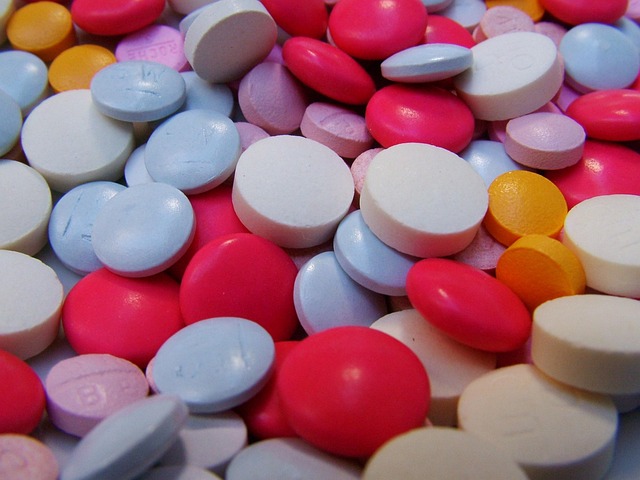
 According to the Centers for Disease Control and Preventions (CDC), each year more than 1.5 million people end up in the emergency department, and almost 500,000 are hospitalized because of an adverse drug event (ADE). An ADE happens when a person is harmed by a medication, including mistakes in taking the medicine, misuse of the medicine, side effects, overmedication, and allergic reactions.
When taken as prescribed, the benefits of medicines outweigh their risks and can help people get well and stay healthy, says California Poison Control System (CPCS). But many older adults often take multiple medicines, which can increase their risk of an ADE, while children 5 years old and younger have an ADE because they found and took medicines without adult supervision.
“ADE’s are a preventable patient safety problem,” says Dr. Rais Vohra, Medical Director for the Fresno/Madera Division of CPCS. “There are things you can do to reduce the risks.”
Preventing ADE’s
- Never take any medicine that was not prescribed to you.
- Make sure your doctor knows about all the medicines you take, including over-the-counter ones, vitamins, and supplements—some ingredients can be dangerous if mixed together.
- Never share your medicine with anyone else.
- Do not take medicine in the dark, where you cannot clearly see the medicine and its container.
- Don’t take two medicines with the same ingredient. If too much is taken, it could be harmful.
Dr. Vohra adds, “Although there can be risks in taking any medication, both prescription and over-the-counter, as well as vitamins and supplements, if you make sure to take all your medicines correctly, you can significantly lower the risk of accidentally harming yourself with your medications.”
Taking Medicine Safely
- Take medicine as directed; follow the instructions of your doctor or pharmacist.
- Read all labels. If you don’t understand the instructions, ask questions to make sure you don’t make a mistake.
- Take the right amount of medicine—too much or too little can cause problems.
- Medicine should be taken on time; some medicines should be taken at a certain time of day, such as bedtime.
- Take medicine the right way—according to the prescription, recommendation from the dispensing pharmacist, or the manufacturer if it is an over-the-counter medicine.
Especially for Children:
- Store medicine in a locked cabinet, out of sight and reach of children—ideally where young children can’t see or reach.
- Keep all medicine in their original container with child-resistant caps. Remember, child-resistant caps are not child-proof!
- Use the dose device (e.g., dosage cup, oral syringe) that comes with the medicine to ensure your child gets the right dose.
- After each use, make sure the medicine cap is on tight, and return it to a locked cabinet.
- Do not call medicine candy in front of children—this can tempt them to take it on their own.
 For more information about medicine safety and disposal, visit CPCS. For questions or advice on the safe use of medicines, call the CPCS 24-hour hotline at 1-800-222-1222.
____________________________________________________________________
Call Poison Control at 1-800-222-1222 (number is the same in all states) for questions about poison encounters. Trained pharmacists, nurses, and other providers are available to help 24 hours a day, seven days a week. The service is free, confidential, and interpreters are available. CPCS is part of the University of California, San Francisco School of Pharmacy and is responsible to the California Emergency Medical Services Authority.