









When I was diagnosed with celiac disease, I thought the hardest part would be giving up bread, cookies, and the foods I loved most. I was wrong. The real challenge was learning how to live gluten-free correctly.
Like many people, I made plenty of mistakes early on—some small, some that left me feeling pretty awful. Over time, through trial, error, and a lot of baking, I learned that a successful gluten-free lifestyle isn’t just about avoiding gluten. It’s about understanding how to nourish your body, read labels, and make smarter choices every day.
Here are some of the most common mistakes people make on a gluten-free diet—and how to avoid them. Make sure you scroll all the way down to find a MIGHTYLICIOUS Gluten Free Sourdough Bread recipe!
Relying Too Much on Processed Gluten-Free Foods
When you first go gluten-free, it’s tempting to swap everything for a packaged gluten-free version—bread, cookies, pasta, snacks. While these can be helpful, many are highly processed and loaded with sugar, starches, and additives.
What to do instead:
Think of gluten-free packaged foods as occasional helpers, not staples. Focus on whole, naturally gluten-free foods like fruits, vegetables, lean proteins, beans, rice, and gluten-free grains. When you do buy packaged items, look for clean ingredient lists and products made with purpose.
Missing Key Nutrients
Traditional wheat-based products often contain important nutrients like fiber, iron, and B vitamins. Many gluten-free substitutes don’t automatically replace those nutrients.
What to do instead:
Be intentional about balance. Add fiber-rich foods like quinoa, lentils, chia seeds, and vegetables. Include iron sources such as leafy greens and legumes. A well-rounded plate matters more than simply being gluten-free.
Not Reading Labels Carefully
Gluten hides in places you wouldn’t expect—soy sauce, salad dressings, soups, and even spice blends. And just because something “looks” gluten-free doesn’t mean it is.
What to do instead:
Get comfortable reading labels—every time. Look for certified gluten-free products when possible, and always check for statements about shared facilities or cross-contact.
Overlooking Cross-Contamination
This is one of the biggest issues for people with celiac disease. Even tiny traces of gluten—from a toaster, cutting board, or shared condiment—can cause a reaction.
What to do instead:
Create a gluten-free-safe space in your kitchen. Use separate utensils, cutting boards, and toasters if possible. At the very least, clean surfaces thoroughly and avoid double-dipping in shared jars like butter or peanut butter.
Assuming Restaurant Meals Are Truly Gluten-Free
Dining out can feel like navigating a minefield. Even when a menu says “gluten-free,” preparation methods may not be safe.
What to do instead:
Ask questions—politely but clearly. How is the food prepared? Is there a dedicated fryer? Are surfaces shared? Restaurants that understand gluten-free safety will have clear answers. When in doubt, keep it simple.
Forgetting About Gluten in Non-Food Items
Many people don’t realize gluten can show up in medications, supplements, and even personal care products.
What to do instead:
Check with your pharmacist or healthcare provider about medications. When it comes to supplements, look for gluten-free labeling. It’s one more step, but it’s worth it for peace of mind.
Thinking Gluten-Free Automatically Means “Healthy”
This is a big misconception. Gluten-free cookies are still cookies. Gluten-free bread can still be low in nutrients.
What to do instead:
Shift your mindset. Gluten-free is a requirement, not a health guarantee. Build meals around real, nourishing foods first, and enjoy treats as part of a balanced lifestyle.
Trying to Do Too Much at Once
Going gluten-free can feel overwhelming. New rules, new ingredients, new habits—it’s a lot.
What to do instead:
Start simple. Find a few go-to meals and recipes you love, then build from there. Progress matters more than perfection.
Giving Up on Foods You Love
One of the biggest emotional challenges is feeling like you have to give up your favorite foods forever. That mindset makes the diet harder to stick to.
What to do instead:
Recreate those favorites. That’s actually why I started baking in the first place. When I couldn’t find a cookie that tasted good, I made one. Today, there are so many better options—and with the right ingredients, you can make just about anything gluten-free.
Not Seeking Trusted Guidance
There’s a lot of conflicting information out there, especially online. Not all of it is helpful—or accurate.
What to do instead:
Turn to qualified professionals like registered dietitians, especially if you’re newly diagnosed. A little expert guidance can save you a lot of frustration.
Living gluten-free isn’t always easy—but it does get easier. With time, you learn what works, what to avoid, and how to create meals that are not just safe, but genuinely delicious.
For me, it became about more than just managing a condition. It became about helping others realize they don’t have to settle for less—less flavor, less texture, less joy in what they eat.
Whether you’re newly gluten-free or have been doing this for years, give yourself some grace. You’re learning, adapting, and doing your best. And with the right approach, gluten-free living can be not just manageable—but truly satisfying.
___________________________________________________________________
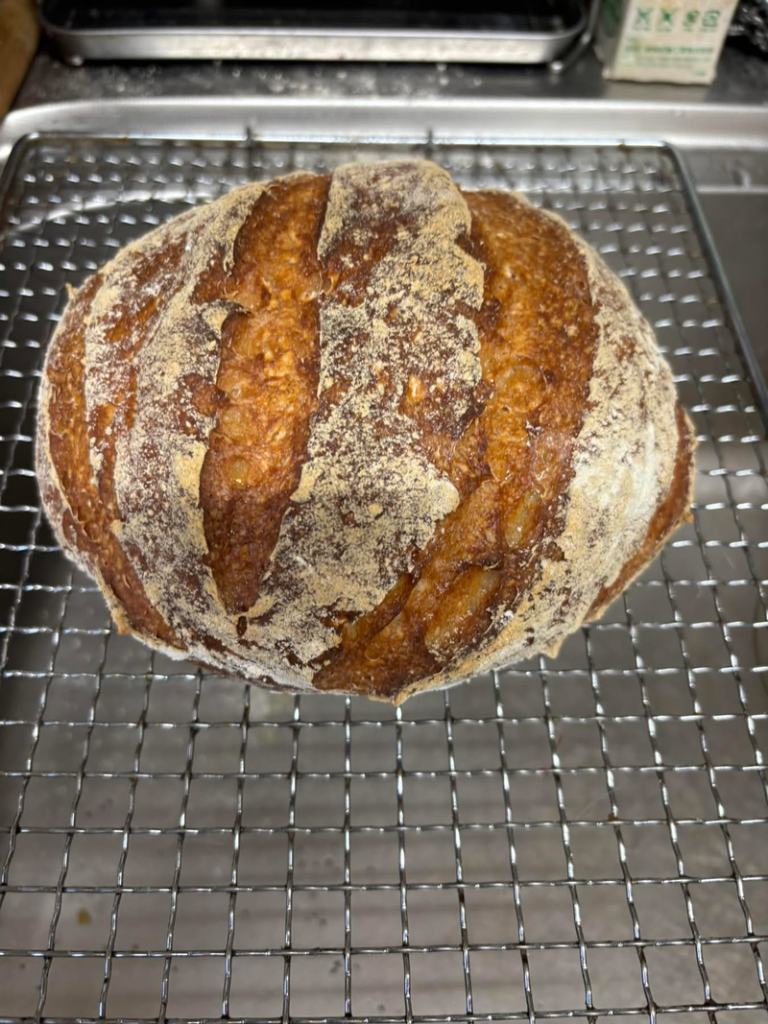
MIGHTYLICIOUS Gluten Free Sourdough Bread Recipe
Recipe Courtesy of MIGHTYLICIOUS Gluten Free
Ingredients
- 150g sourdough starter ≈ ½ cup + 2 tablespoons
- 400g water ≈ 1¾ cups
- 25g honey ≈ 1 tablespoon + 1 teaspoon
- 25g olive oil ≈ 2 tablespoons
- 500g Mightylicious GF Flour Blend ≈ 4 cups (spooned & leveled)
- 15g salt ≈ 2½ teaspoons
Instructions
- Combine water, sourdough starter, olive oil, and honey in a large bowl.
- Whisk well to combine, making sure all the ingredients are fully dissolved.
- To the bowl, add the Mightylicious flour and salt. Continue mixing (I use a fork) until the flour is combined. The dough should feel rough and shaggy.
- Cover the bowl and let it rest for 30 minutes to 1 hour at room temperature.
- Shape the dough into a rough ball.
- Allow the dough to rise overnight or until doubled in size (3-12 hours). Cover the bowl with lightly oiled plastic wrap.
- Once the dough has risen, remove it and place it on a lightly floured surface. Shape the dough into a loaf by gently folding the sides towards the center of the dough.
- After shaping, your dough needs to rise again. Bake in a Dutch oven or cast-iron pot with a lid. Dust the bottom of your pot with cornmeal or line it with parchment paper.
- Let the dough rise for 30 minutes to 1 hour, or until it’s visibly puffy and no longer feels dense. It doesn’t need to double in size. While the dough proofs, preheat your oven to 450 F (232 C).
- Score the top of the dough with a sharp knife.
- Bake for 20 minutes with the lid on to capture steam. Remove the lid and finish baking (uncovered) for 40 minutes or until the crust is deep golden brown.