










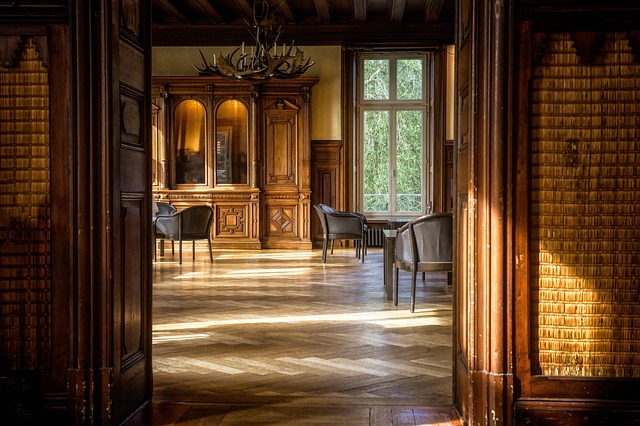
Parquet flooring is one of those investments that rewards you well, but only if you treat it right. The geometric wood patterns look stunning on day one, and with proper care, they’ll stay that way for three decades or more.
The answer to keeping parquet in top shape breaks down into three areas: what you do every day, the periodic work that matters, and equally important, what you should never do. This guide walks through all three.
Daily and Weekly Care That Protects the Wood
Start by understanding the quality and characteristics of your flooring. Looking at premium parquet flooring options from Luxury Flooring or other trusted brands can help you identify the craftsmanship, finishes, and natural details that define well-made parquet. Once you know what makes the material unique, maintaining it becomes much simpler. The good news is that regular day-to-day upkeep is straightforward and can go a long way toward preserving the wood’s appearance.
Sweep Before You Mop
Grit and dust are the quiet enemies of parquet. They sit on the surface, acting like sandpaper under every footstep, slowly scratching the finish. A soft-bristle broom or microfibre dust mop used daily (or at least three to four times a week in busy rooms) catches debris before it causes harm. Don’t skip this step before any wet cleaning; going straight in with a damp cloth over a gritty floor just grinds the dirt in rather than lifting it out.
Use the Right Amount of Water
Wood doesn’t mix well with water. A barely damp mop, wrung out until it feels almost dry, is what you need. You want just enough moisture to pick up residue, not soak the boards. Excess water seeps into the joints between blocks, causing swelling and leading to warping or lifting over time. Dry the floor immediately if any wet patches remain; pH-neutral wood floor cleaners work better than general household products, which often leave a dull film.
Place Mats at Every Entry Point
Door mats do the heavy lifting here. One outside and one inside each exterior door catch most of the moisture, grit, and salt that shoes bring in. In a UK home, that’s essential, as rain and muddy gardens are practically constants. Felt pads under furniture legs stop scratches; if you’ve got pets, keep their claws trimmed since they’re surprisingly good at scuffing parquet surfaces.
Periodic Maintenance to Extend the Floor’s Life
Daily care keeps the surface clean; periodic work keeps the wood itself sound. How often you tackle this depends on foot traffic levels.
Recoat the Finish Every Few Years
Most parquet floors carry a lacquer, oil, or wax finish that shields the wood underneath. This protective layer wears down over time, particularly in high-traffic areas like hallways and kitchens. A full sand and refinish represents a major undertaking, but a recoat, applying a fresh finish without sanding to bare wood, takes far less time and extends the gap between full restorations. Oiled parquet needs re-oiling roughly every one to two years, depending on wear; lacquered floors can stretch three to five years between recoats. Watch for warning signs: a patchy, dull look in busy zones, or water that no longer beads on the surface.
Sand and Refinish When Damage Goes Deeper
Scratches, dents, and grey water marks that sit below the finish layer need a proper sanding. Here’s the thing: parquet blocks are thick enough to be sanded multiple times across their lifetime, which gives the format a real advantage over thinner engineered boards. Get a professional to do this if you’re uncertain; drum sanders are aggressive, and an uneven pass leaves visible ridges. After sanding, apply your chosen finish in thin, even coats and allow full drying time between each one.
Check for Movement and Moisture Problems
Parquet blocks move as humidity changes. A well-laid floor with proper expansion gaps handles this naturally. And yet if blocks start to lift, cup, or develop gaps, moisture sits behind it almost every time. Check for any source: a leaking radiator, condensation from an unventilated room, or a damp subfloor. Sort the moisture problem first, since no surface treatment fixes a floor sitting in damp conditions.
What to Avoid If You Want the Floor to Last
Knowing what not to do matters as much as the care routine itself.
Steam Cleaners and Harsh Chemicals
Steam mops are popular; they’re also genuinely bad for parquet. The heat and moisture they produce can lift the finish, open joints between blocks, and cause irreversible warping. Stick to the barely-damp mop approach instead. The same applies to bleach-based cleaners, solvent products, and anything marked for tiles or vinyl. These strip the protective layer and expose the wood underneath.
Ignoring Small Problems
A loose block or hairline crack in the finish looks minor. Left untouched, it becomes an entry point for water and dirt, spreading damage across a wider area. Fix small issues the moment you spot them. A drop of wood glue and some weight overnight sorts a loose block; a dab of matching floor oil repairs a scuffed finish patch before it opens up further.
Keeping Parquet in Good Shape for Decades
Maintaining parquet flooring for long-lasting use really comes down to consistency. Sweep regularly; keep water to an absolute minimum; recoat the finish before wear gets too far. Parquet is resilient and repairable; it doesn’t need delicate handling, just sensible care. Give it the attention it deserves, and it’ll outlast most other floor types you’ll ever install in your home.
Parquet flooring can maintain its beauty and durability for decades when it receives the right care. The key is to combine simple daily habits, such as removing dust, limiting moisture, and protecting the surface from scratches, with periodic maintenance like recoating and refinishing when needed. Just as important is avoiding practices that can cause lasting damage, including steam cleaning, harsh chemicals, and ignoring early signs of wear.
With consistent attention and timely repairs, parquet remains a resilient flooring choice that can handle everyday life while preserving its distinctive character. A small amount of regular maintenance goes a long way in protecting the wood and ensuring your floor continues to look its best for many years.