










As families spend more time outdoors in the spring and summer months, backyard playgrounds become the center of daily fun. However, while parents often assume their own yard is safer than a public park, many hidden risks go unnoticed. And with National Playground Safety Week here from April 20-24, now is the perfect reminder to take a closer look.
As the Chief Technology Officer at Rubberecycle Corporation, I have seen firsthand how most backyard playground hazards are easy to fix with a little awareness and routine maintenance. Here are 6 often overlooked safety issues and how to address them before they turn into injuries.
Worn or Inadequate Ground Surfacing
One of the biggest mistakes parents make is relying on grass or packed dirt beneath their backyard play equipment. However, while it may look soft, these surfaces do very little to absorb impact in the event of a fall. According to the National Center for Biotechnology Information, falls are the top reason children end up in the emergency room (they make up nearly 30% of pediatric trauma cases). Inadequate surfacing significantly increases the risk of serious harm.
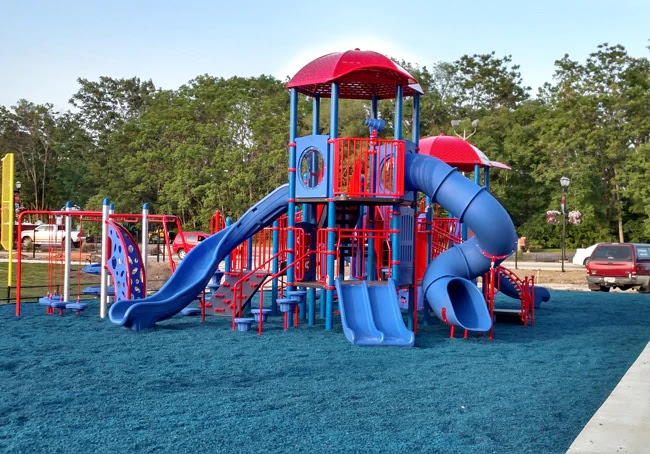
This is why it’s paramount to upgrade to impact-absorbing materials like rubber mulch, which is specifically engineered to cushion falls. Its flexible, springy texture absorbs impact more effectively than traditional materials, helping reduce the likelihood of serious injuries. For example, Playsafer’s high-quality rubber mulch products far exceed ASTM safety standards for impact attenuation (which measure how well a surface protects against head injuries from falls).
Aim for a depth of at least 3 to 4 inches, and also make sure to regularly rake and replenish materials, as they naturally shift and compact over time.
Loose Bolts, Rust, and Structural Wear
Backyard playsets endure constant use and exposure to the elements, which means that the hardware can loosen and materials can degrade faster than expected. That is a major problem, because a single loose bolt or a weakened joint greatly increases the risk of the playset collapsing or creating sharp edges that can cause cuts.
To fix this hazard, schedule to inspect your playground every month. Tighten all bolts, screws, and connectors, and replace any rusted or damaged hardware as soon as possible. For wooden structures, check for splintering or rot and apply a weather-resistant sealant every year. Metal components should be treated to prevent corrosion.
Poor Anchoring or Unstable Equipment
Even well-built playsets can become hazardous if they aren’t properly anchored. This is because shifting soil, weather conditions, and active play can cause equipment to tilt or move over time. Unstable structures increase the risk of tipping, especially when multiple children are playing at once.
To fix this hazard, ensure your playset is securely anchored using ground stakes or concrete footings (depending on the manufacturer’s recommendations). Also, periodically check that the structure remains level and stable, especially after heavy rain or seasonal ground shifts.
Unsafe Add-Ons and DIY Modifications
While it’s tempting to customize a backyard playground with extra features like rope swings, hammocks, or climbing attachments, not all modifications are safe. They may also not be designed to work with your existing structure. Improvised add-ons can fail under weight, which can ultimately lead to entanglement hazards (or throw off the balance of the entire playset).
That said, stick to manufacturer-approved accessories whenever possible. Avoid adding any ropes or cords that could wrap around a child’s neck or limbs. And if you do install additional features, ensure that they are properly rated for weight and securely attached using appropriate hardware.
Overgrown Landscaping and Hidden Obstacles
Backyard playgrounds don’t exist in isolation, as they’re surrounded by natural elements that can quickly become hazards if left unmanaged. For example, tree roots, rocks, garden borders, and overgrown bushes can create tripping hazards and reduce visibility. This ultimately makes supervision more difficult.
To fix this hazard, maintain a clear play zone with at least a six-foot buffer around all equipment. Regularly trim back bushes and tree branches, remove rocks or debris, and watch for roots that may surface over time. Keeping the area open and visible will reduce injuries and also help you keep a better eye on your kids.
Heat Hazards on Slides and Metal Surfaces
As temperatures rise, playground surfaces like slides and metal components can become dangerously hot. These surfaces can heat up quickly (especially on sunny days) and cause burns within seconds, even when the air temperature feels mild. This is why it’s so important to test surfaces with your hand before allowing your child to play. If it’s too hot for you, it’s too hot for them. Add shade elements like umbrellas, shade sails, or strategically planted trees to reduce direct sun exposure.
Also, if possible, choose lighter-colored materials or UV-resistant plastics that absorb less heat.
Turn Everyday Play into Safer Play!
Backyard playgrounds offer convenience, creativity, and endless fun, but they also come with responsibility. Many injuries don’t stem from major failures, but rather from small, overlooked hazards that build up over time. April 20-24 National Playground Safety Week is a great opportunity for parents to reset their safety routines with simple, impactful updates like improving surfacing and optimizing setup. After all, the goal isn’t just to play; it’s safe play.
_____________________________________________________________
Sheryl Berkley is the Chief Technology Officer at Rubberecycle Corporation, a leader in top-quality rubber surfacing products for playgrounds and commercial establishments since 1996. The company specializes in impact-absorbing playground mulch, tiles, and poured-in-place surfacing. A playground safety expert, Sheryl educates the public on best practices for safe play environments, the benefits of sustainable surfacing materials, and strategies for preventing common injuries.